2026 PST november look back
Almost a year of field observations in the Perennial System Trial (PST) — January through October in images and notes, with a nod to Denmark’s dark November and December.
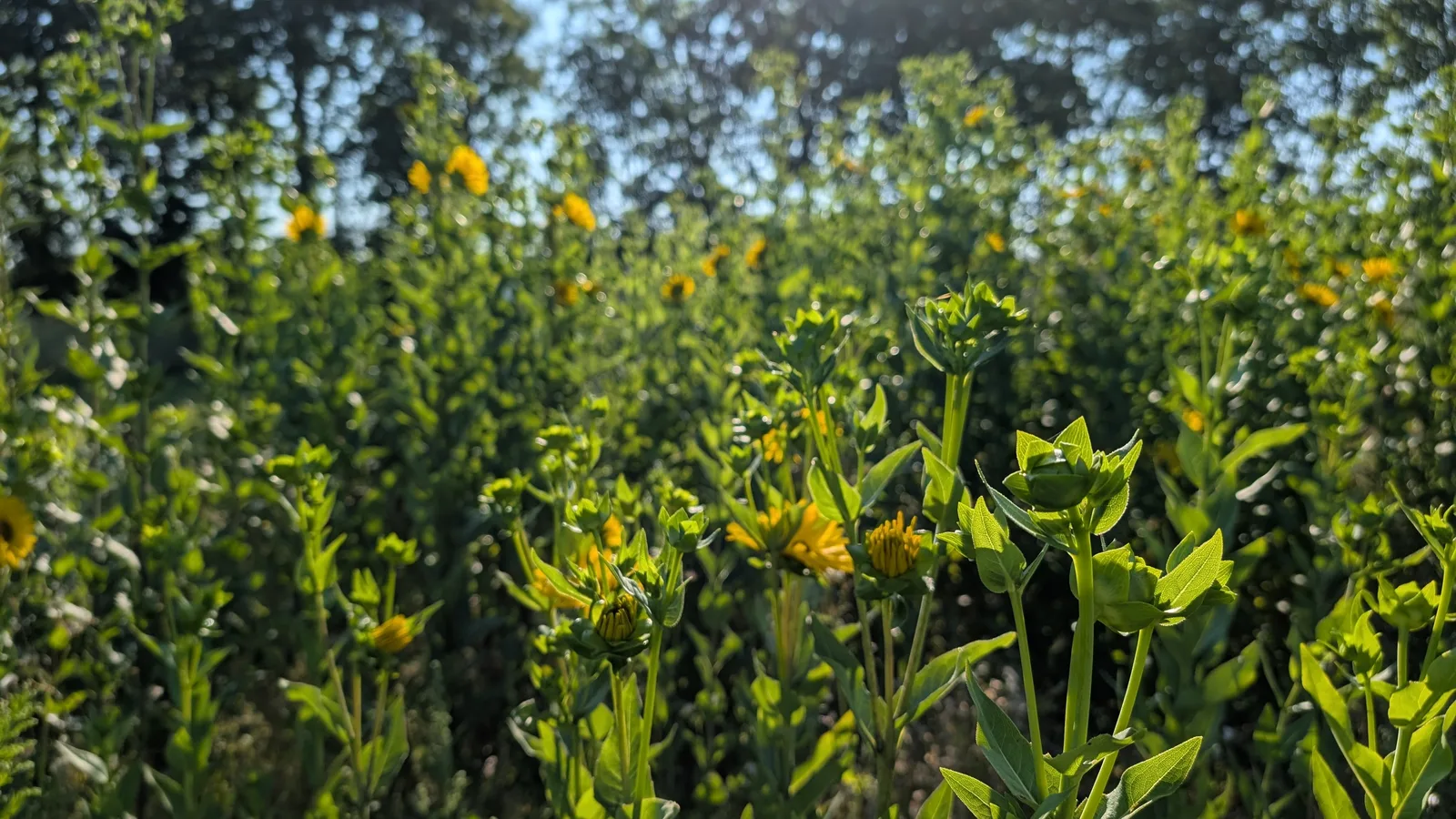
January
Minus 1.28 degrees Celsius — that was the average air temperature this January. We had some snow, it melted, then came back again, abundant enough to cover the entire field. We thought it was a good opportunity to take some root samples to measure how many non-structural carbohydrates intermediate wheatgrass roots had stored heading into winter. The soil was rather hard!
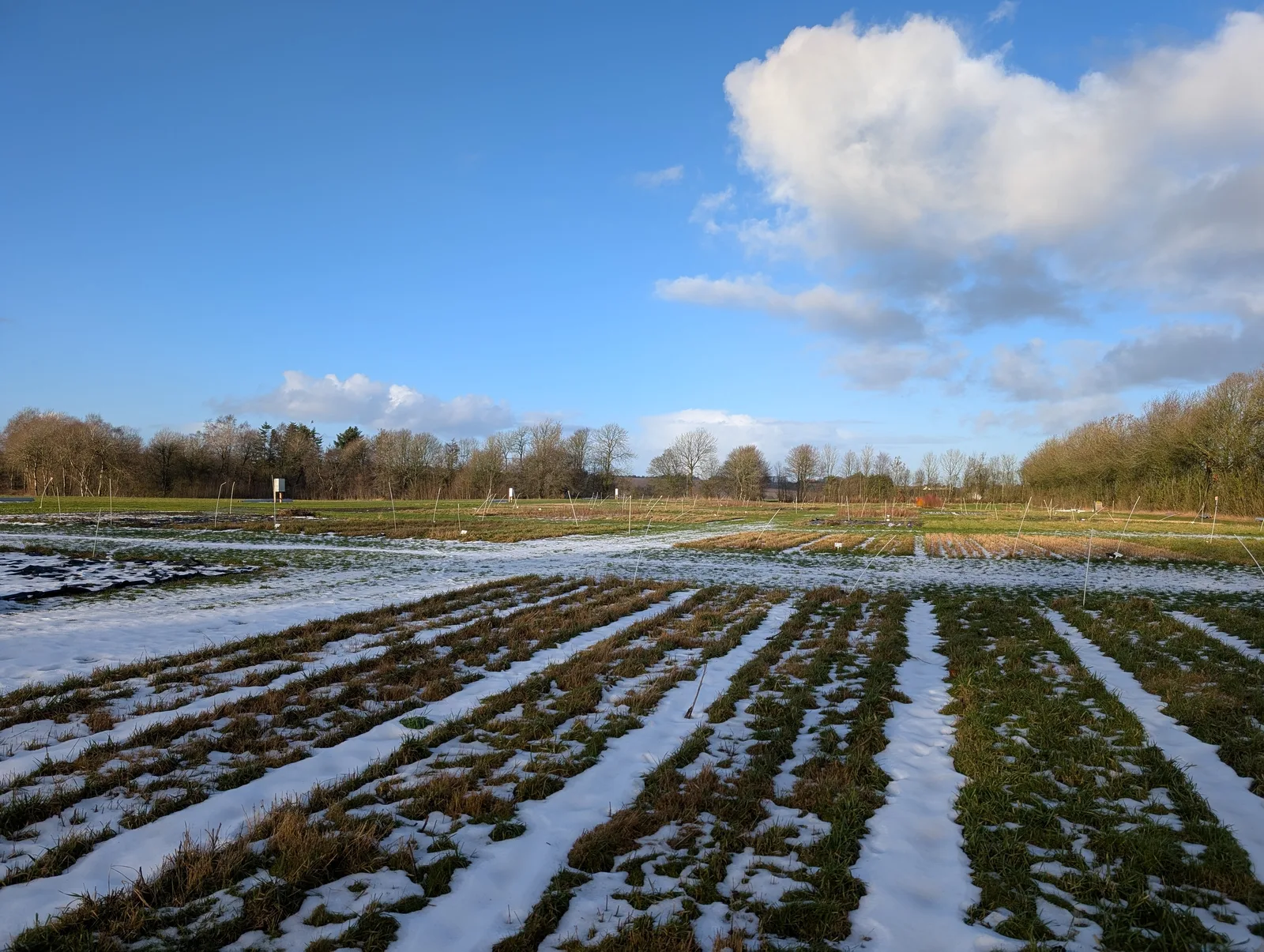
February
Almost completely covered by snow, we could hardly drive to the field! We still decided to mark some more Ground Control Points — because why not. Those points are what make our drone images geographically accurate.
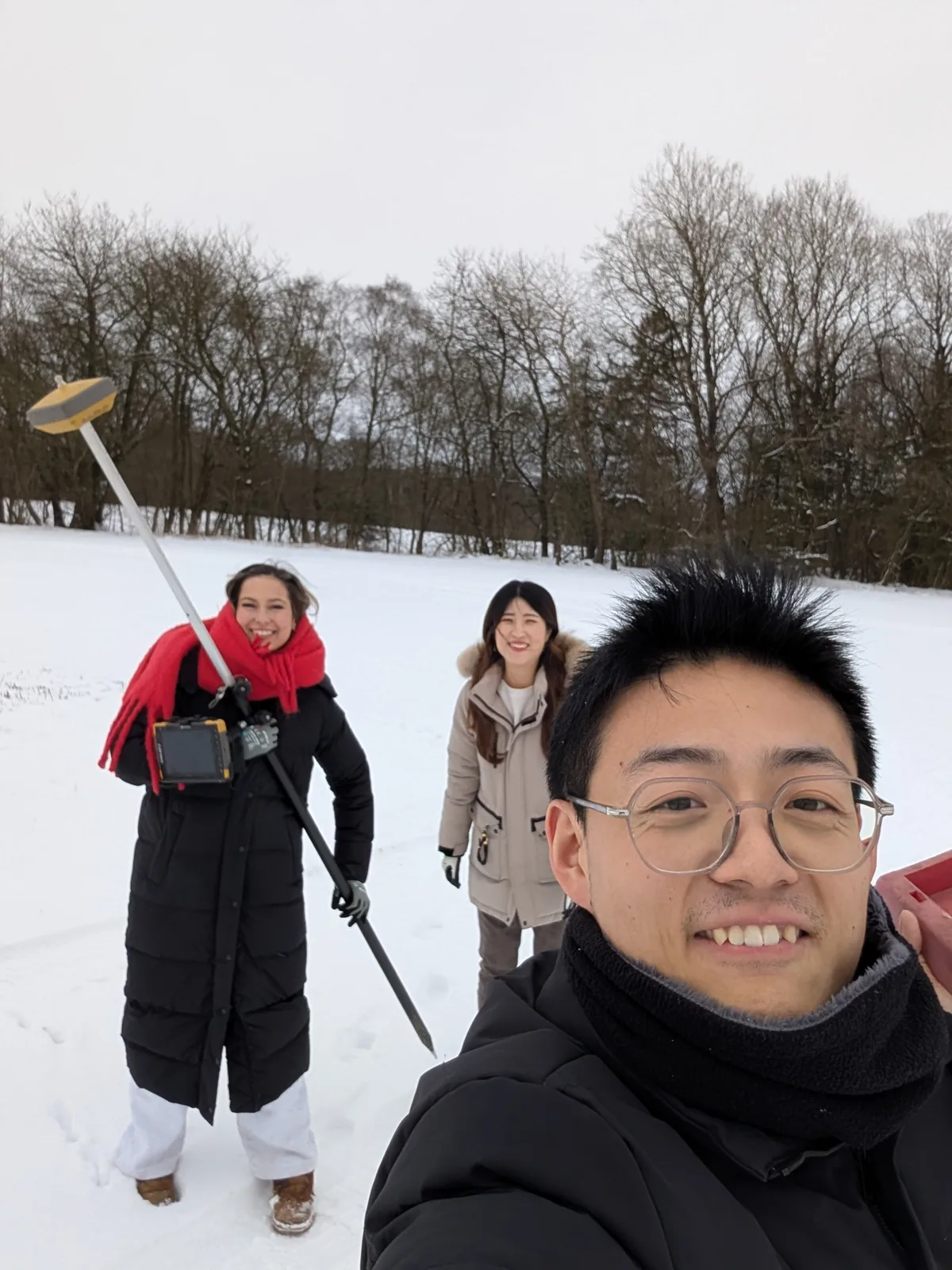
March
The snow melted by the end of February, but the field was still very quiet. The canopy was short and dotted with yellow leaves, though enough greenness remained to give us hope. “We hope this will be a good year!” — said us, like so many of our colleagues every spring.
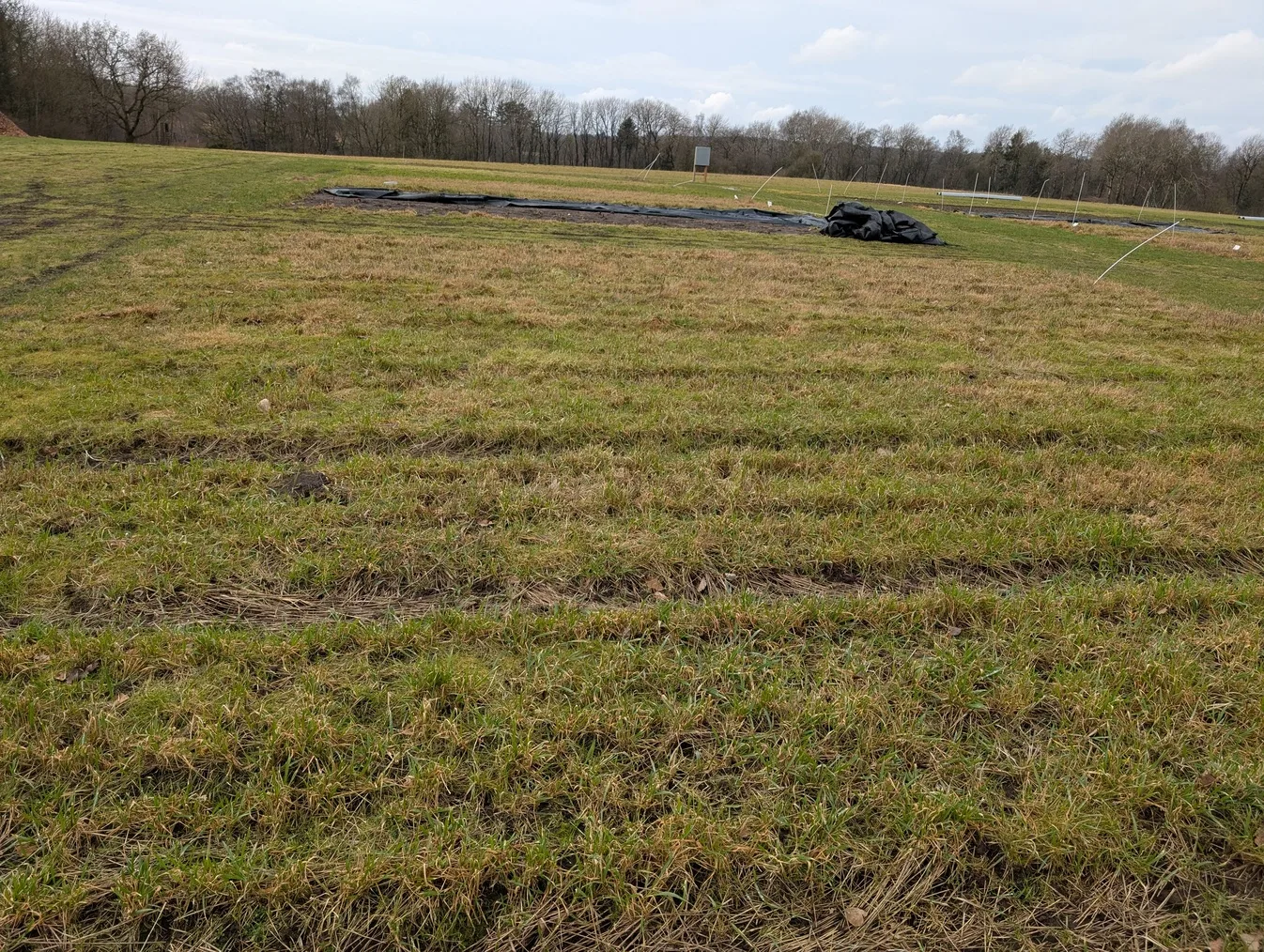
April
Spring was walking slowly, but we could hear its footsteps. We started returning to the field and making installations.
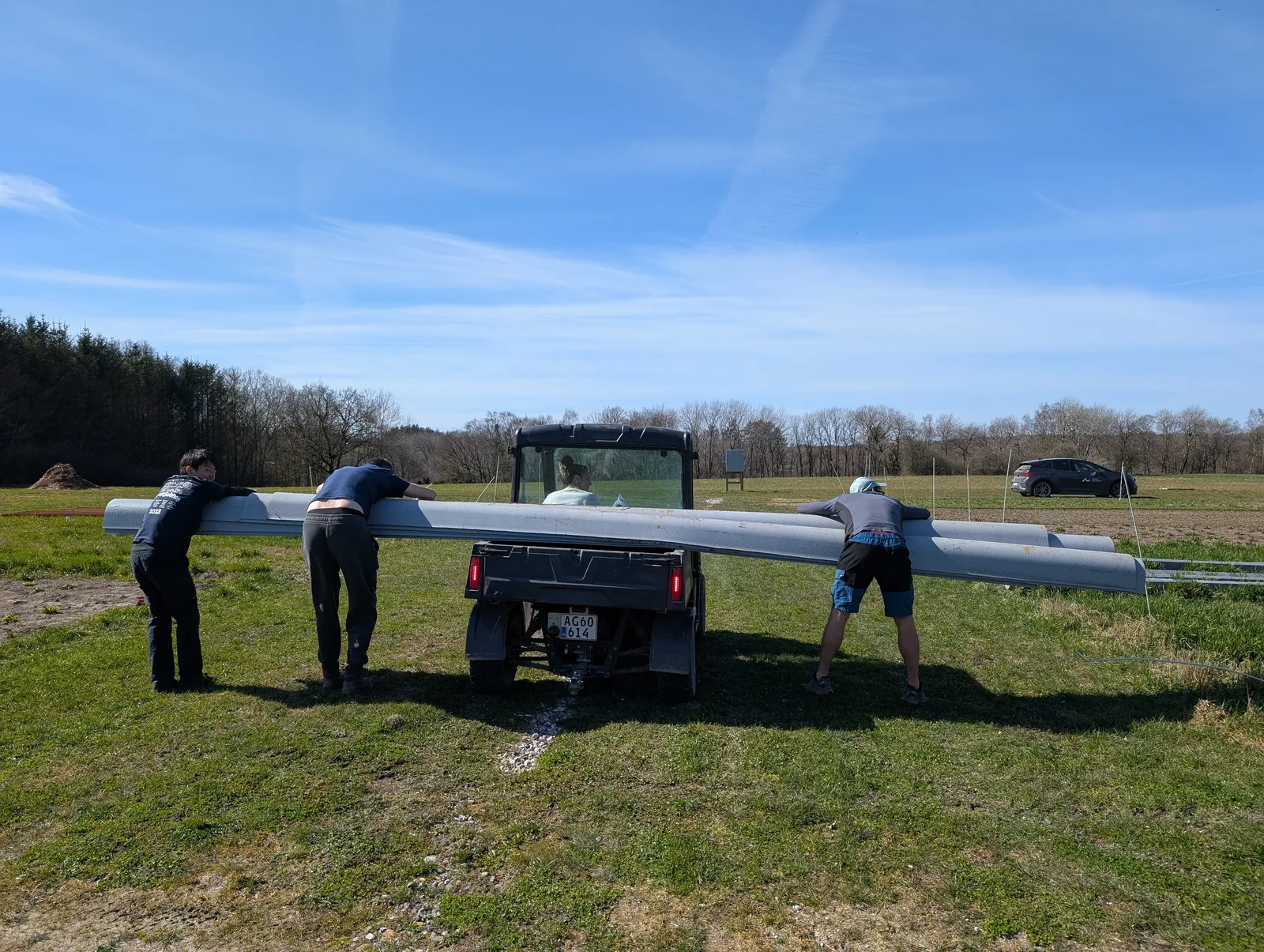
May
I went on holiday in April, and the field at the start of May genuinely surprised me. The annual crops were booming — after vernalization, accumulated degree days give them unstoppable momentum. As for the perennials, many had entered stem elongation (BBCH > 30), which for our dual-use crops meant we could already harvest the spring biomass. It did rain less than 40 mm this May, which felt short given that cumulative ETP had exceeded 100 mm.
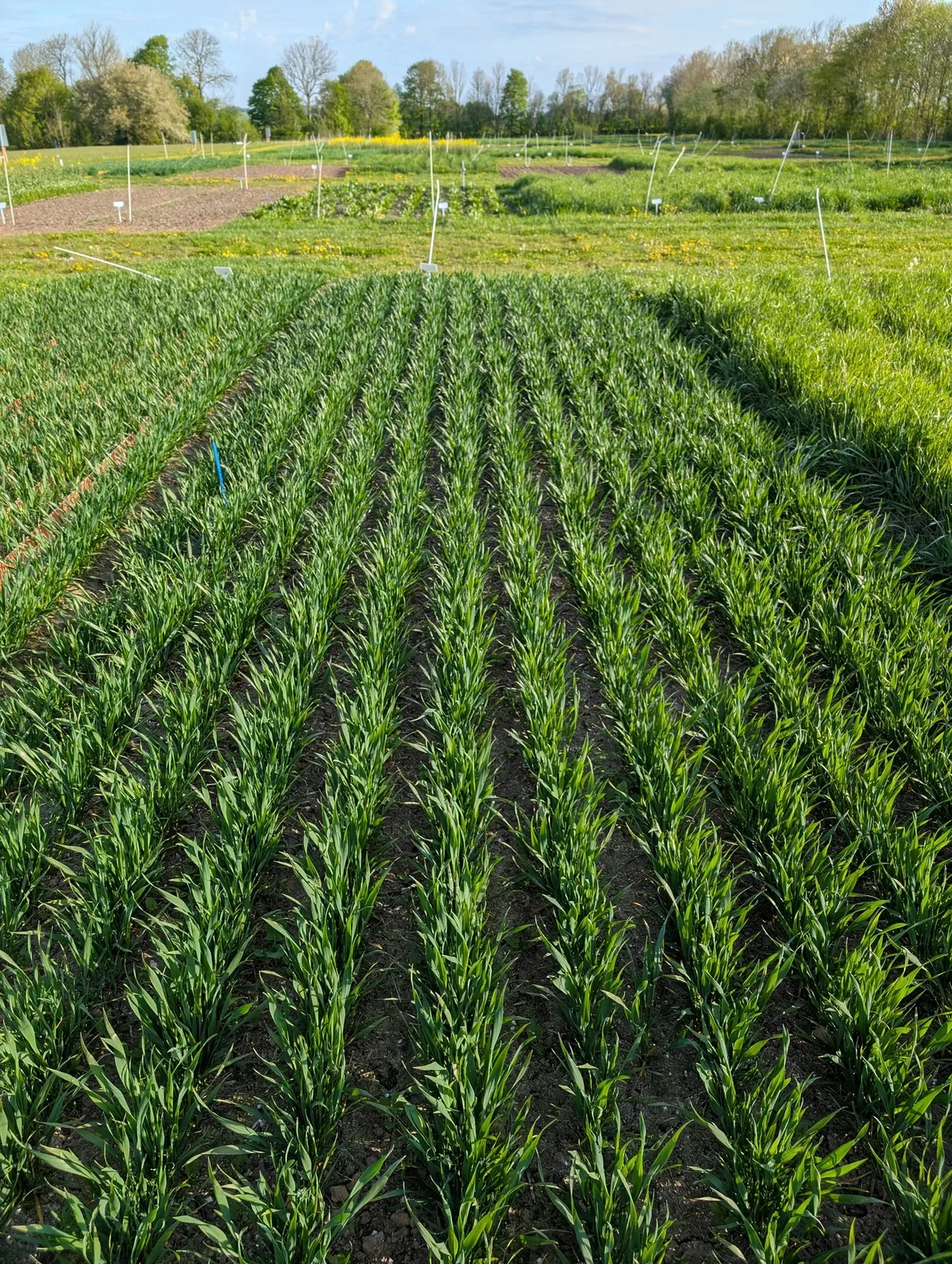
June
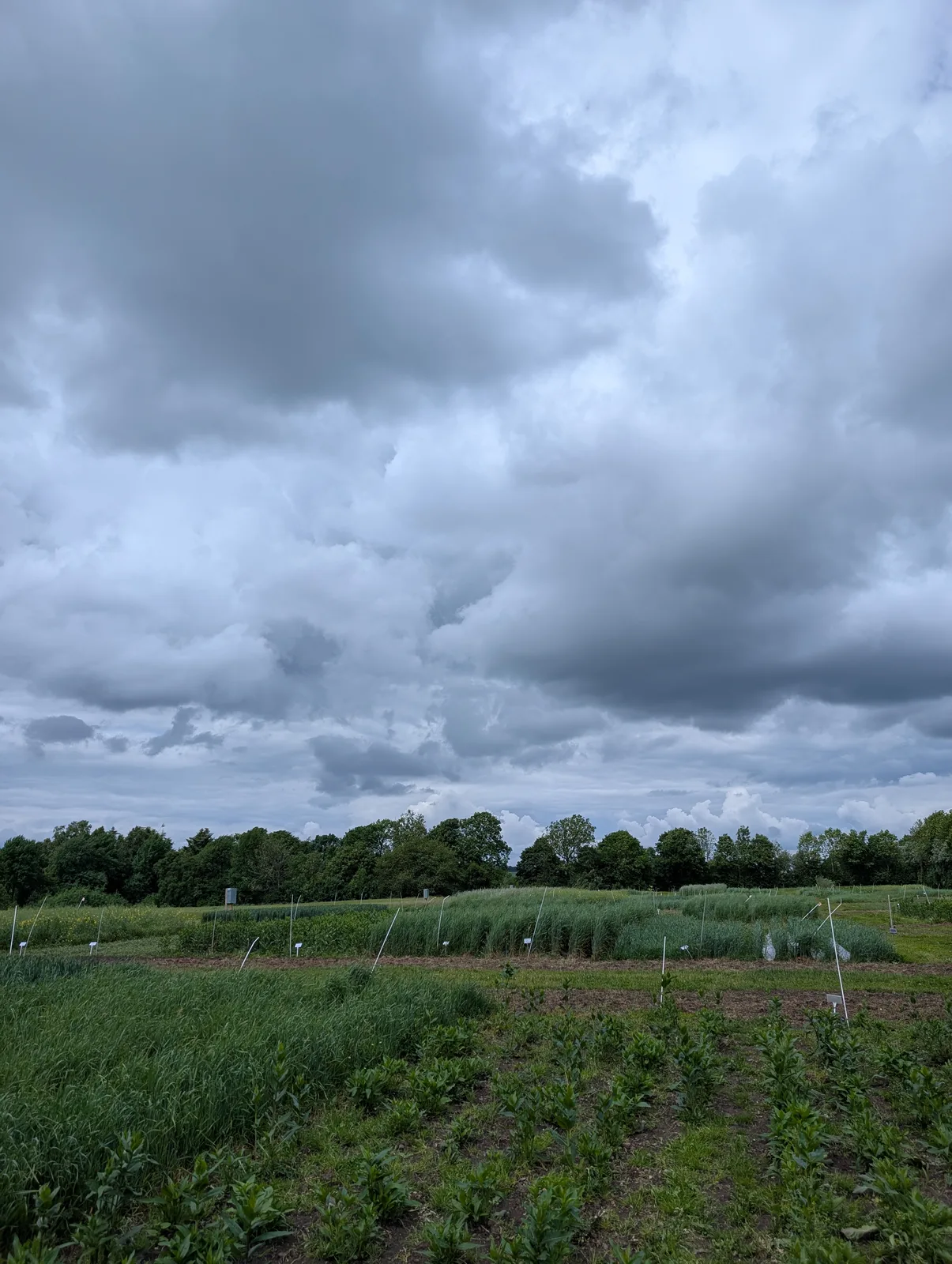
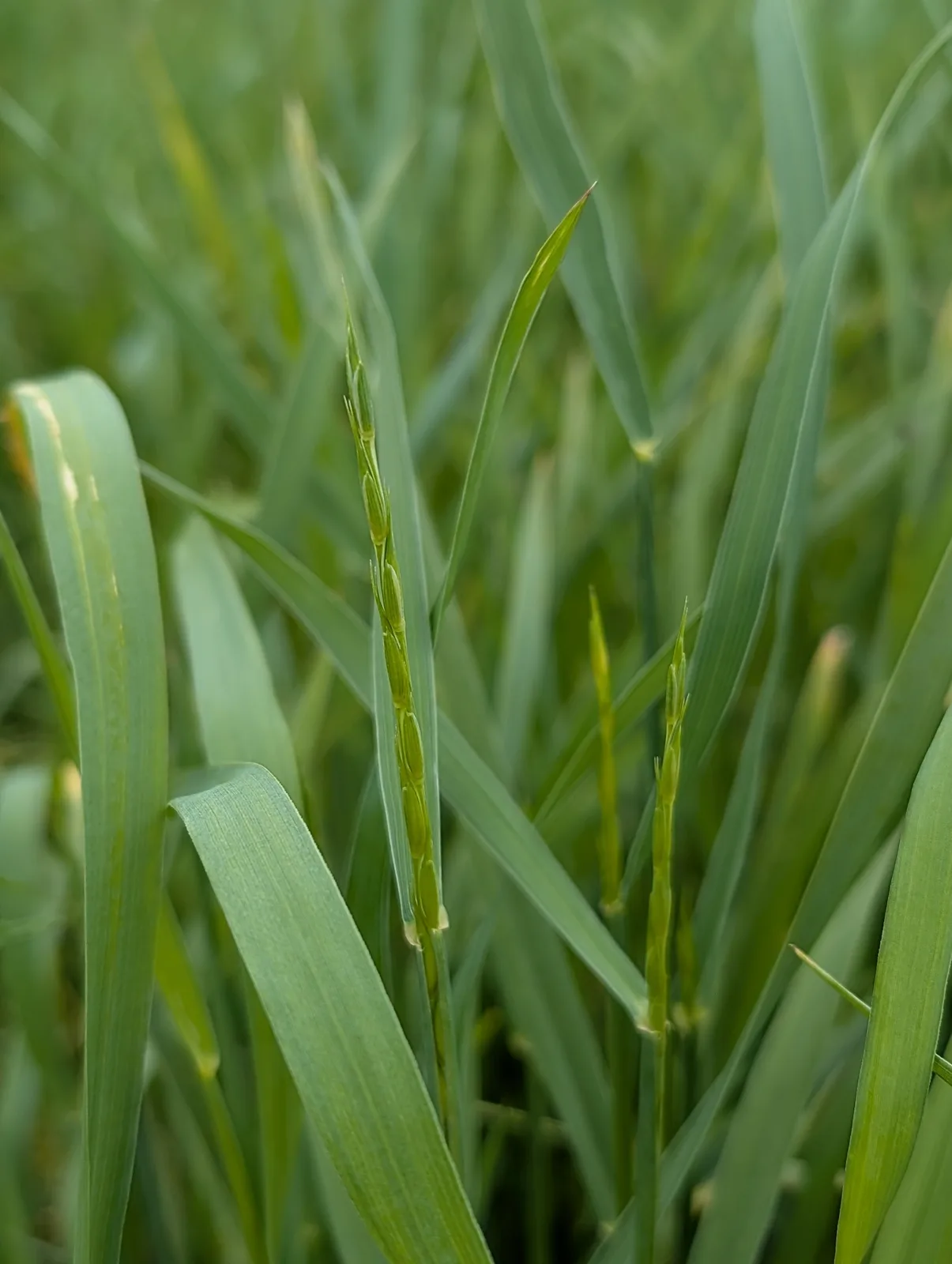
From my perspective, this is probably the most interesting month to observe plant phenology in its full variety. Intermediate wheatgrass was heading, some perennial rye moved even faster, silphiums were pushing up flower buds and setting height records, sainfoin — sown not so long ago — was producing an impressive flush of leaves, and winter canola was bidding farewell to its flowers and waving slender green pods in the summer wind.
Heavy clouds
Intermediate wheatgrass heading (2026-06-05)
July
By July, we could already hear the sound of harvester engines in the distance. The perennials in their second and third year were mostly still at anthesis, which is exactly why we collected so many field samples that month. The plants were looking great.
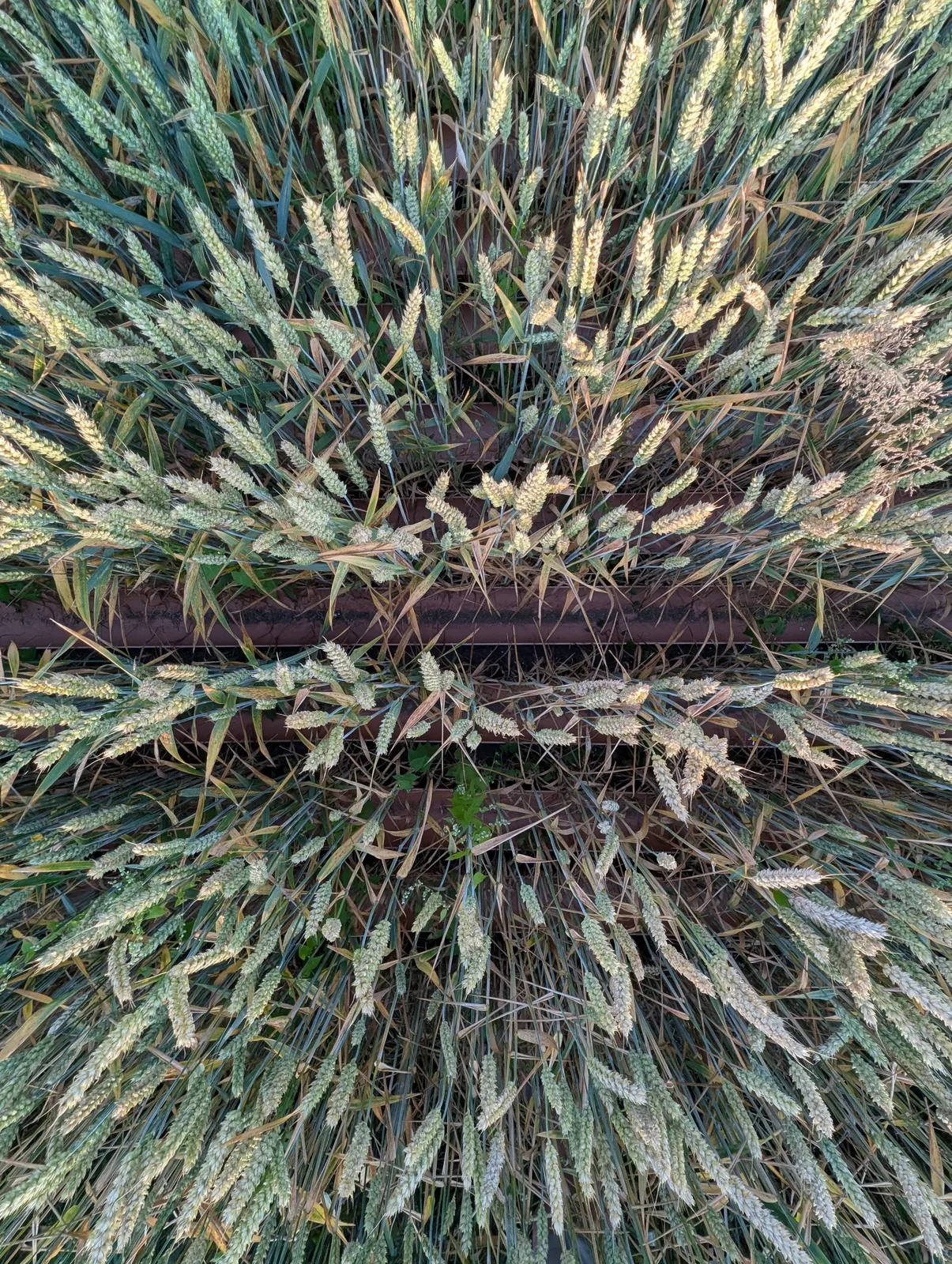
Winter wheat (2026-07-15)
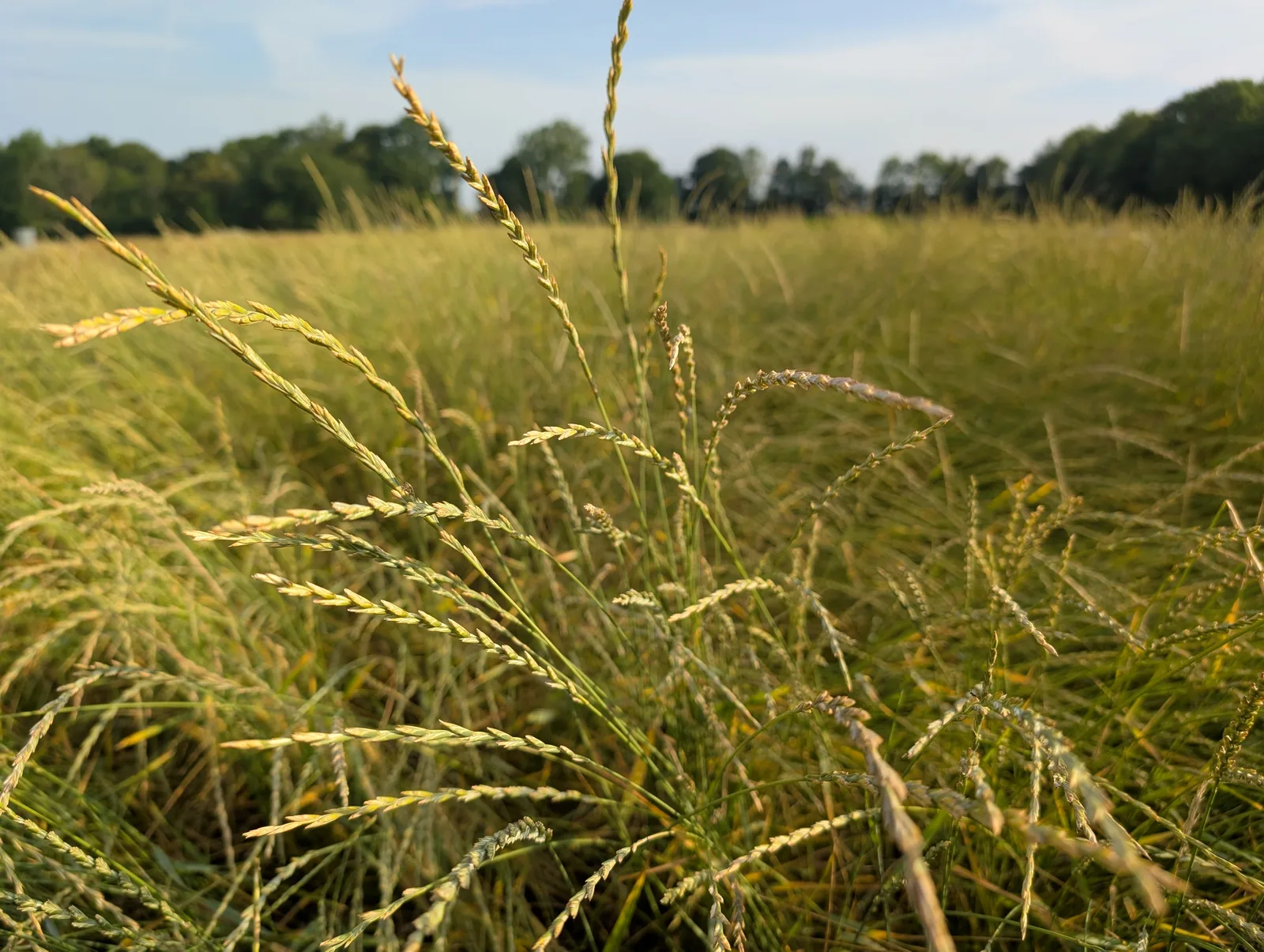
Intermediate Wheatgrass (2026-07-16)
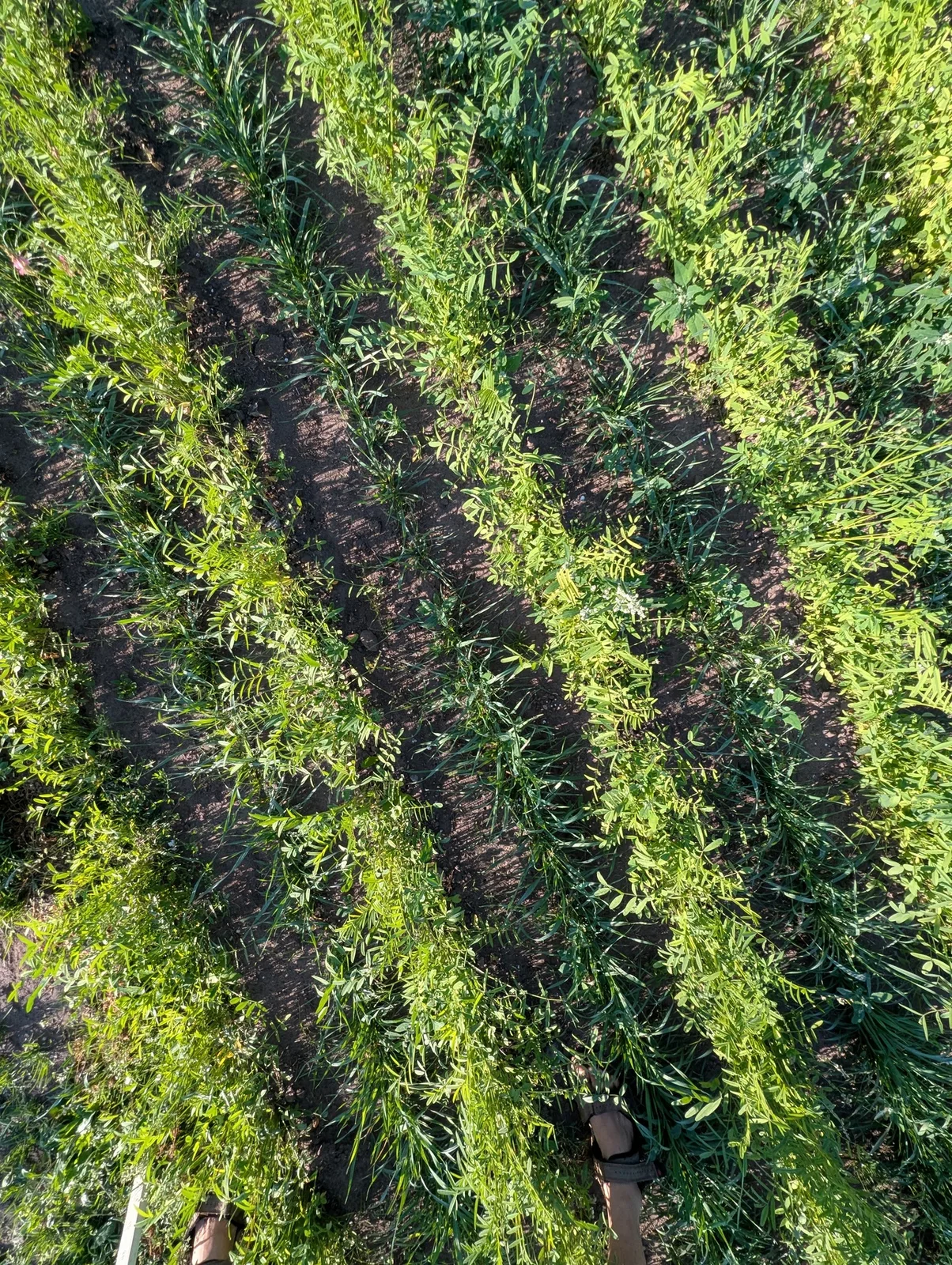
Intercropping (2026-07-15)
August
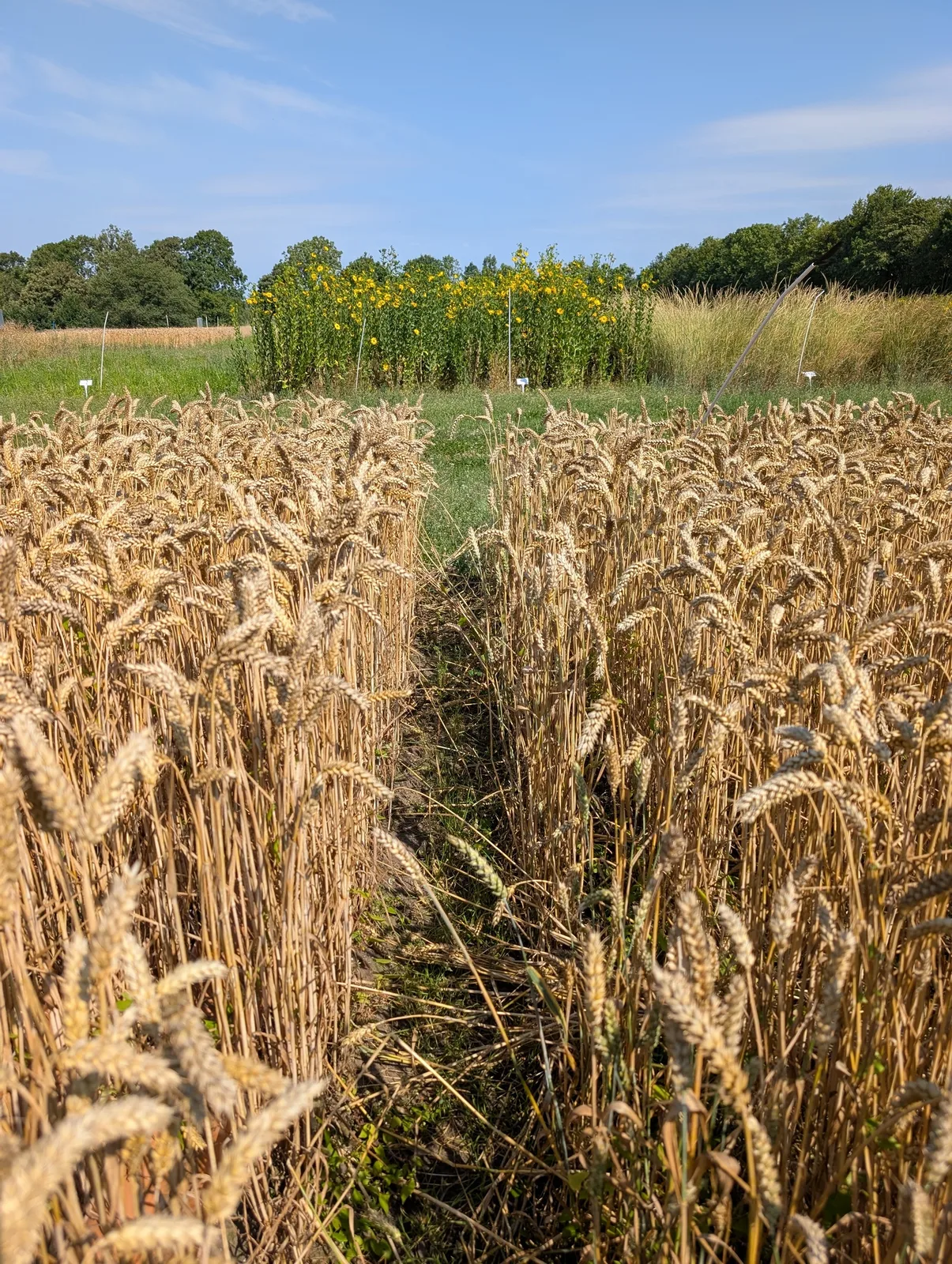
Harvest season began. We started with winter canola, then wheat, then perennial rye. A lot of field work — in the best possible sense.
September
In early September, we harvested the intermediate wheatgrass. Another milestone ticked off for the year.
October
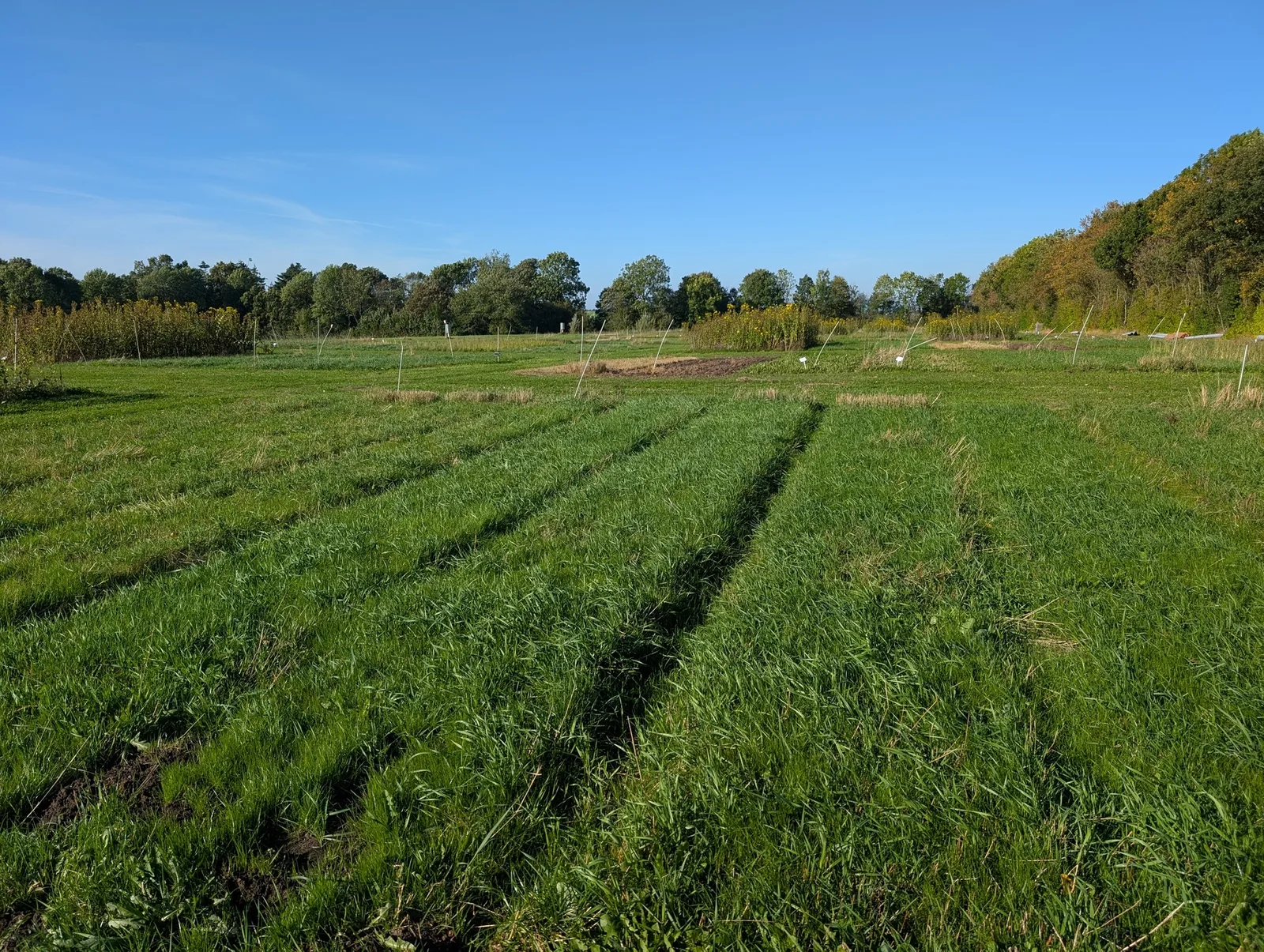
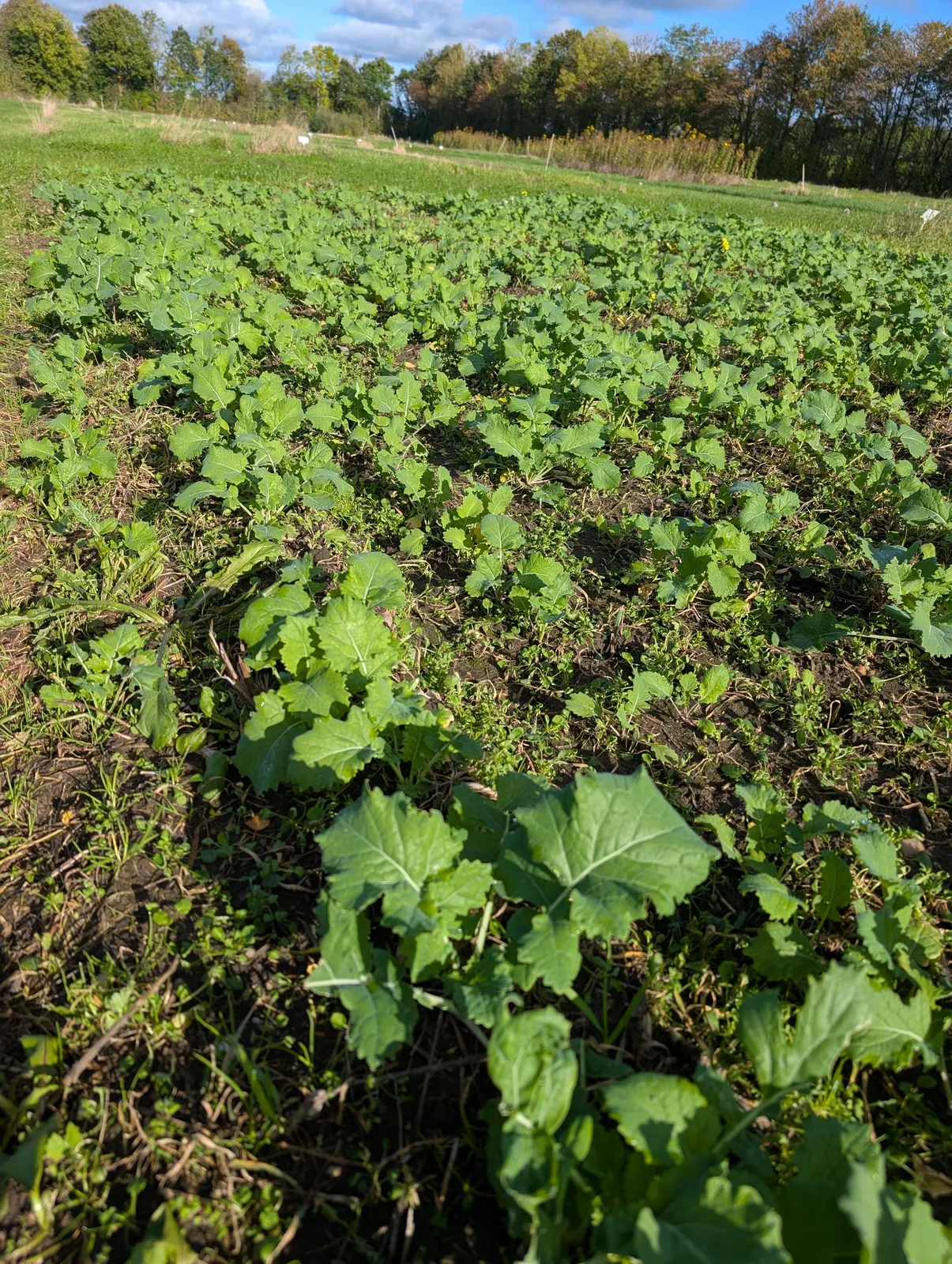
Autumn arrived quickly. The winter annual crops established well. Best of hopes for them over the cold months ahead.
November & December
Denmark in winter. The field is out there somewhere, we think.

And that’s a wrap on (almost) 2026. From frozen root samples in January to very short days in November/December, it has been an exciting year in the field. The plants did their thing: sometimes surprising us, sometimes worrying us, always keeping us busy. We’ll be back out there in spring. Until then, the data (from sensors we installed in the field) keeps us company.