
01 · Research
Research
01Root Science
Roots drive how crops perform, yet we know surprisingly little about them, so we ask how root structure, chemistry and function shape crop production underneath.
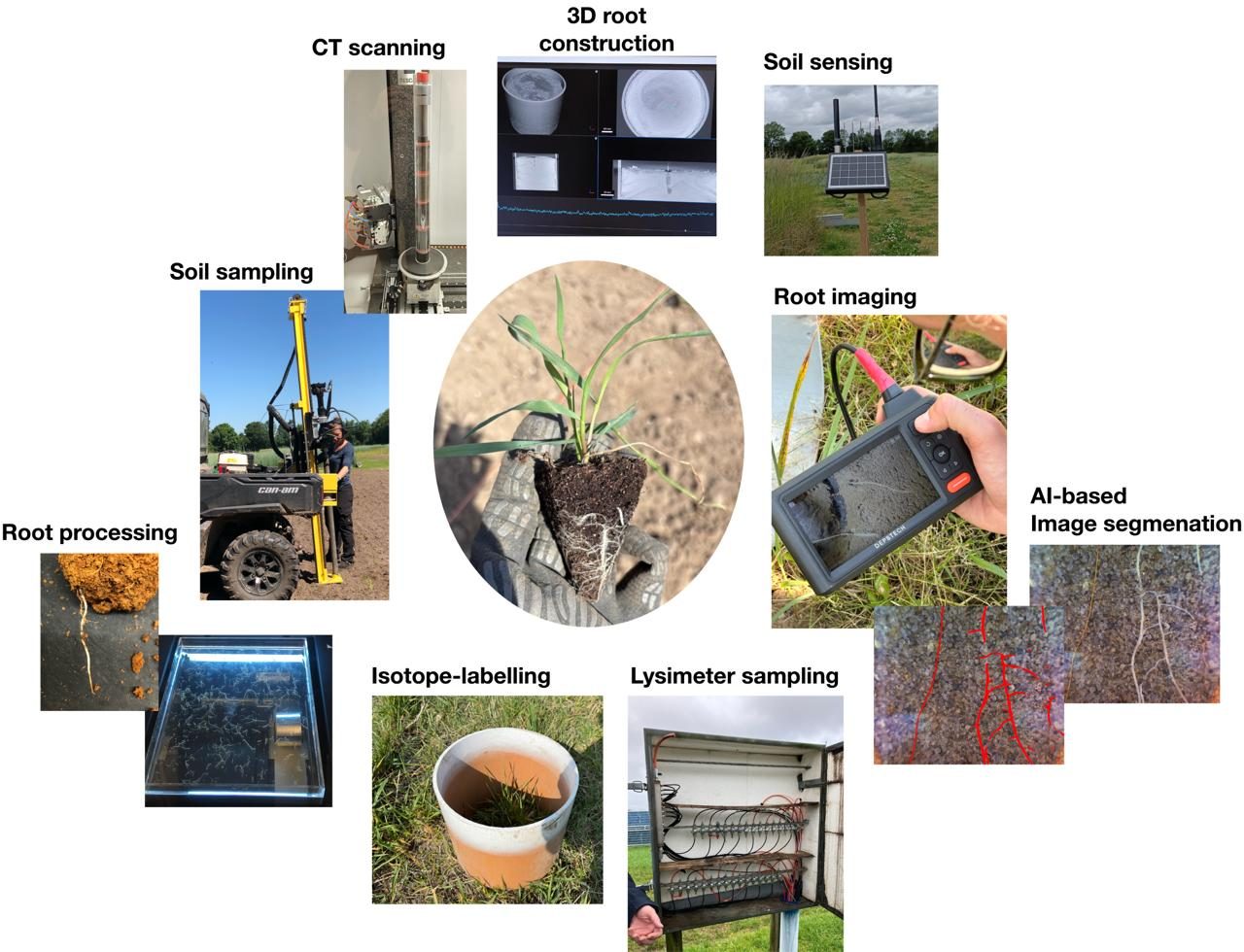
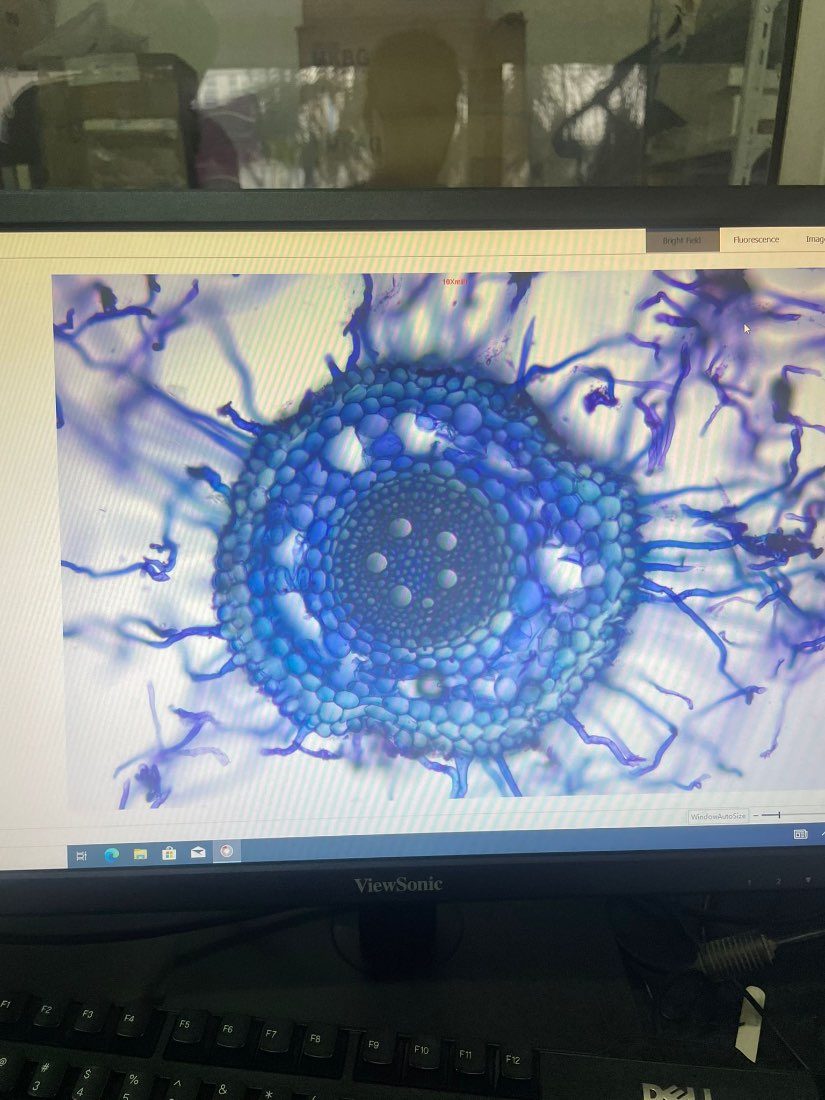
Roots are hard to see, so we build the tools to see them: field coring, minirhizotrons, microCT, spectroscopy and automated image analysis. We study roots in intact soil and real fields, and link what they look like, what they are made of and what they do to water and nutrient uptake, drought resilience and carbon storage. See Projects (e.g. RootVision). We also teach these methods to other researchers in our biennial RootMethods PhD course. Check our publication linking root stuructual and funcational capacity under field condition by Eusun (Han et al., 2026).
02Plant Pheonmics
We measure plants at scale so that hidden traits can be used in research and breeding - Imaging, sensors and machine learning turn field and lab data into traits we can understand, predict and select for.
We combine RGB, multispectral and hyperspectral imaging, UAVs, 3D imaging and machine learning to track plants above and below ground. One question drives us: can early, non-destructive measurements predict how a plant splits its energy between grain and roots? Follow it in Projects (e.g. PerennialTraits, RootPheno). Check in Publications on a novel root mixture analysis exploiting spectroscopy by our Postdoc Marco (Lombardi et al., 2025).
03Perennial Agronomy
We work on perennial grain crops and cropping systems that yield grain year after year while keeping living roots in the soil, with benefits for soil, water, carbon and farm resilience.
What if the field never had to be replanted? We study perennial grains, especially intermediate wheatgrass, in long-term field trials: how they establish, root, overwinter and yield, and what they do for soil, water and nitrogen. See Projects (e.g. PerennialSystems, DeepWater, PerennialTraits) and our Publications on process-based modelling by our Postdoc Yulin (Zhang et al., 2026) and ecosystem services by our PhD student Alexa (Peterson et al., 2026).
02 · Projects
Projects & field sites
5 perennial grain species · 4 years · 3 field trialsIntermediate wheatgrassSainfoinSilphiumPerennial cereal ryePerennial wheat
PerennialTraits
01We are developing novel perennial crops that produce grain for people year after year, without re-sowing. Their deep root systems make farming more sustainable and more resilient to climate change. We identify perennial candidates with high grain yield, test how well their shoots and roots regenerate, and evaluate their potential to store carbon in the soil, using digital sensing, machine learning, X-ray imaging and isotope analysis.
Project page →RootVision
02Currently, tools for quantifying root growth do not allow for species differentiation without destructive sampling, making it challenging to study crop mixtures and their underground interactions. The RootVision project seeks to overcome these limitations by developing a new root phenotyping tool that can differentiate between species in crop mixtures using advanced spectroscopy and high detection of multiple root traits. This non-destructive approach will enable researchers to study root diversity and interactions more effectively, paving the way for more productive and sustainable agricultural practices.
Project page →Exploring GxExM Interactions of Perennial Grain Hybrids for Climate Resilient Agriculture
03In this project we are comparing genotypes of perennial grain hybrids (e.g. perennial wheat) for their perenniality (e.g. regeneration) using metabolomics and plant phenotyping. I hired 1 PhD student who has an in-depth knowledge in genetics and plant phenotyping. We are collaborating with the researchers from The Land Institute (the U.S) and Chinese Academy of Science (Shijiazhuang branch, China).
Project page →RootPheno
04The limited ability to access root trait information due to the opaque soil medium and complex species composition remains a bottleneck in agroecological research. Recent efforts to establish root infrastructure such as (i) multispectral imaging systems for species differentiation and (ii) microCT (computed tomography) for 3D root model construction, will benefit a wide range researchers. However, these advanced systems require streamlined data processing and analytic pipelines. Without such data-driven solutions, the feasibility and usability of the root infrastructure will decline, and only a few research groups with specialists will be able to fully leverage its potential. To address this, we propose developing advanced root phenotyping capacity by creating two data-driven pipelines that can be used by non-data specialists, such as crop and soil researchers.
Project page →DeepWater
05This project investigates how deep-root traits in perennial grain crops enhance water-use efficiency and resilience under variable climates. Using advanced root imaging, deep-water sensing, and canopy monitoring, it generates high-resolution datasets on root–water dynamics. These data improve agricultural system models to predict performance across environments. The findings will identify key traits and management strategies that balance productivity and sustainability, accelerating the domestication of perennial grains for climate-resilient food production.
Project page →PerennialSystems
06In the pursuit of urgent sustainable intensification, modern agriculture faces the challenge of transitioning to climate-friendly, diversified, and resource-efficient systems for food, feed, and energy production. Perennial grain crops are emerging as a promising solution, as they require fewer inputs and possess deep-rooted systems, making them more sustainable. This project aims to advance our understanding of agronomic practices for perennial grain crops and their potential multipurpose applications in comparison to annual cropping systems.
Project page →03 · Methods
Methods & tools
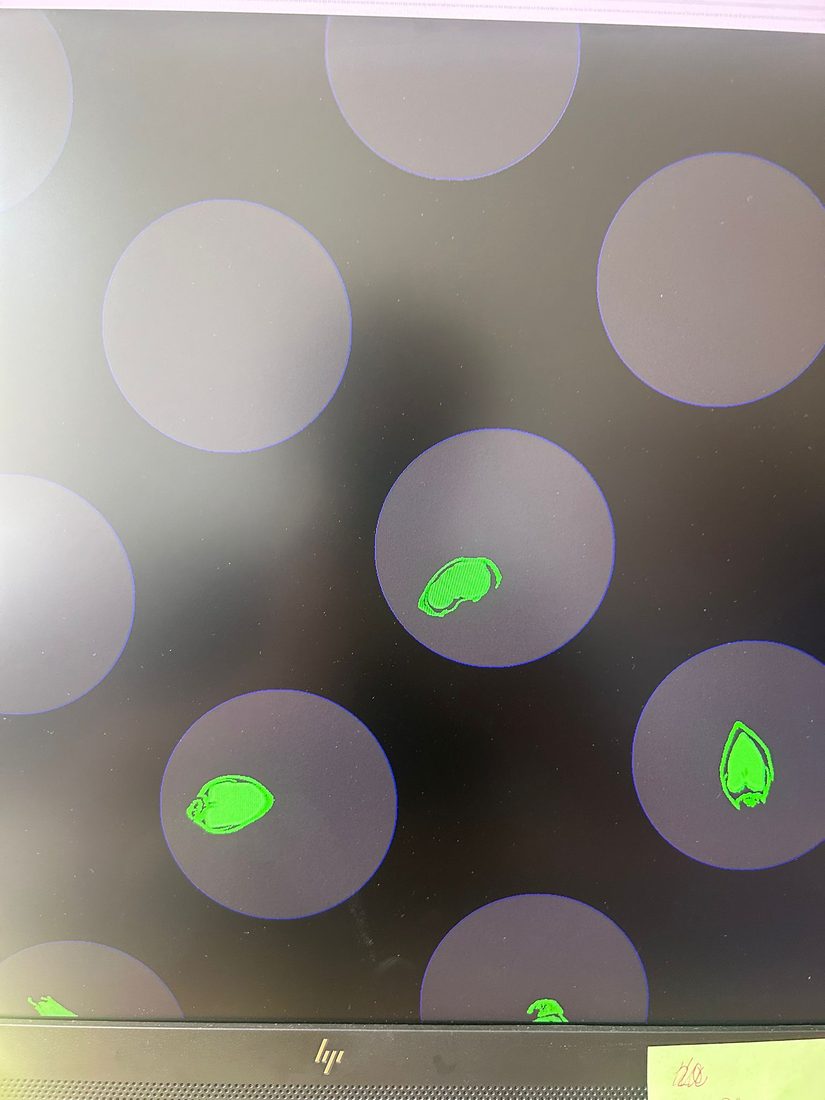
Our evolving root methods manual →Root image segmentationDeep-learning segmentation (RootPainter) turns root images into measurable traits.
primary1st-order lateral2nd-order lateral
Isotope labellingTracers placed in deep soil layers show which crops take up nutrients from where.
Phenotyping3D plant phenotyping system, drones, hyperspectral and micro-CT imaging, LiCOR photosynthesis measurements.
FacilitiesSemi-field facility, greenhouse and growth chambers.

04 · People
People

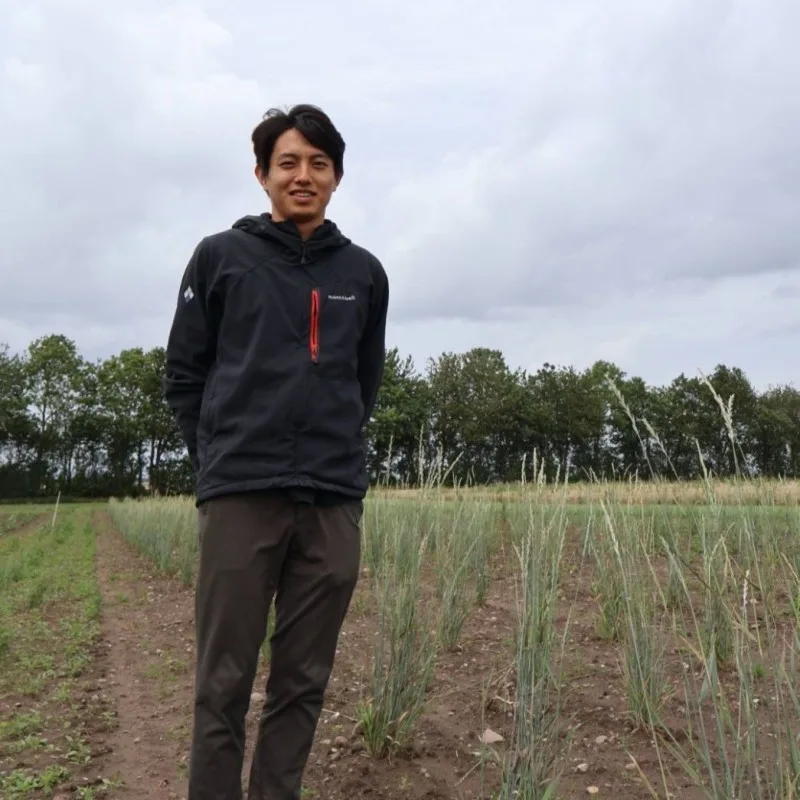
Principal investigatorEusun HanAssociate Professor
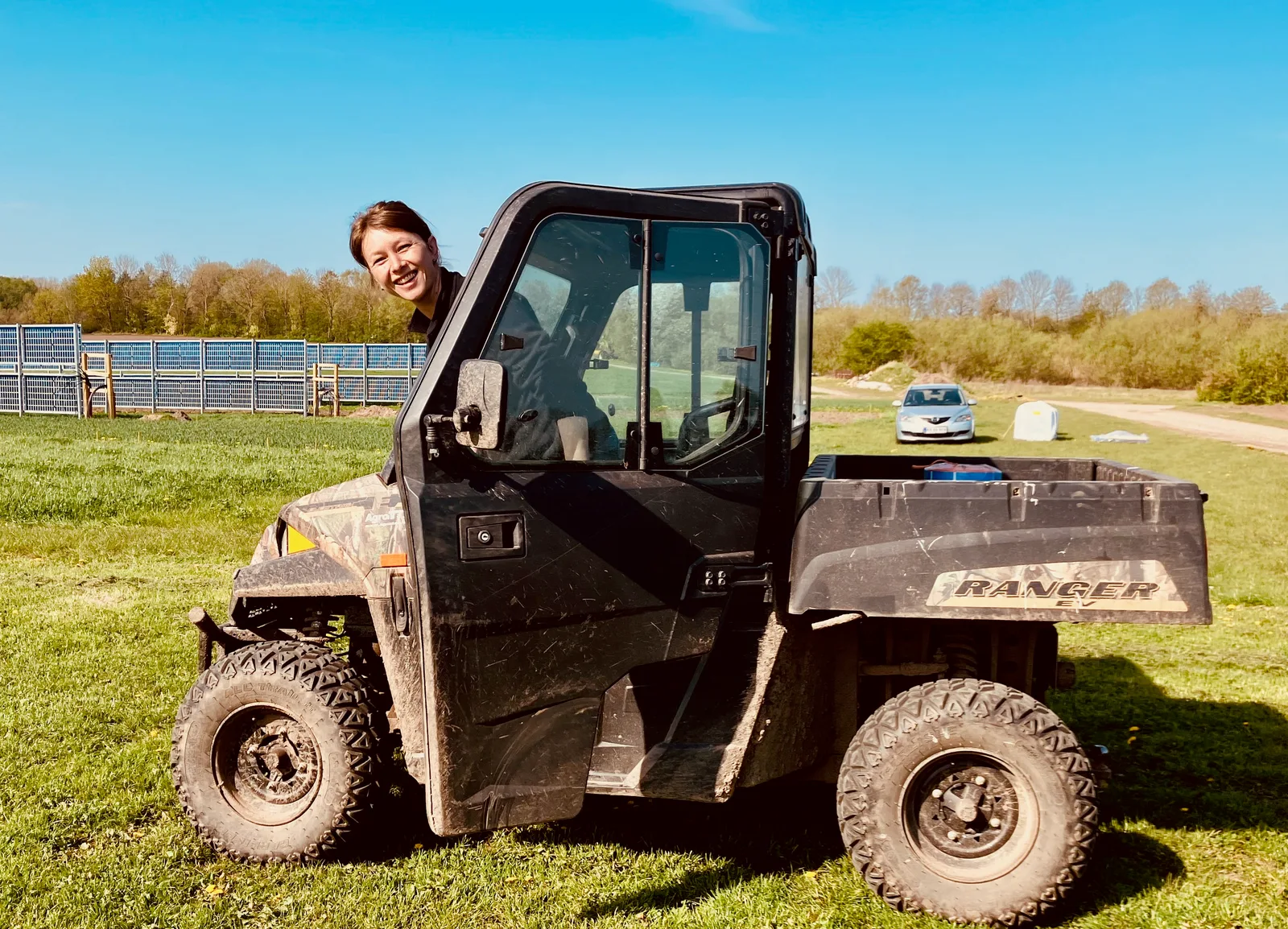
My research focuses on root systems as drivers of crop performance and sustainability, integrating agronomy, root biology, and digital phenotyping. Over the past decade, I have developed experimental, analytical, and conceptual approaches that make root structure, function, and dynamics measurable under realistic field conditions. Since joining Aarhus University, I have extended this expertise to establish perennial grain crops as a new, independent research direction.
eusun.han@agro.au.dkFull profile →






05 · Publications
Selected publications
06 · News
News
Sep 2026
Yulin Zhang's review paper has been published! - Requirements and challenges of process-based modeling for intermediate wheatgrass, a perennial cerealLearn more →
Sep 2026
Alexa Peterson's 1st paper from her PhD work was published!: Ecosystem services of perennial grain cropsLearn more →
Sep 2026
Our lab website is now open!
07 · Blog
Blog
7 Nov 2026
Water data in PST - One year look backThe Perennial System Trial (PST) isn’t spatially extensive (about 1 hectare), but it’s densely instrumented. Take the soil water sensors: there are now more than 30 of them, and together they have recorded over 80,000 soil moisture measurements, with more arriving every day.
3 Nov 2026
1 Nov 2026
2026 PST november look backAlmost a year of field observations in the Perennial System Trial (PST) — January through October in images and notes, with a nod to Denmark’s dark November and December.
08 · Join us
Join us
Come join us next summer! Hosting students to help with activities on a range of topics!
Site visits, long-term research stays and questions are all welcome.
Say hello at eusun.han@agro.au.dkRoot Methods PhD course (Coming 2028)A PhD course on root research methods, taught by the lab and colleagues.
09 · Contact
 Eusun Han LabDepartment of Agroecology, Aarhus University
Emaileusun.han@agro.au.dk
AddressBlichers Allé 20, 8830, Tjele, Denmark